When You Know Who Wants Their Domain, It Costs More
Buyers may start with a valuation range and negotiate from there. Sellers may have reasonable expectations if approached by a mystery buyer. However, that perspective changes when the seller sees who is actually calling.
What if the caller appears to be a funded technology startup? An IPO bound firm? A large consumer brand that is positioning a new product?
Buyers don’t want the owner to know.
Buyers prefer stealth domains.
Buying a domain stealth refers to a legitimate transaction where the broker reaches out to the owner, negotiates on behalf of the buyer, and keeps the purchaser’s identity confidential during the negotiation. The owner sees the broker. The broker knows the identity of the buyer. The escrow and payment partners do their due diligence.
Buyers aren’t trying to bypass compliance checks. Buyers are trying to keep their identity from being used against them during negotiation. They don’t want to pay more because of the perceived ability to pay. Or perceived urgency to acquire. Or speculated product launch.
Perfect Negotiation? Keeping Identity Confidential
As a rule, there is no set price for a domain.
Certain types of domain names may be worth more to certain categories of buyers. In extreme cases a one word .com or short acronym can have an Investor Value, a Retail Value, and a Strategic Value. The name itself often drives the premium. A difficult name to replace creates more leverage for the seller.
Leads to information asymmetry.
Once the seller knows who is calling, he can do a little digging. Punch a few urls into google. Review press releases, LinkedIn profiles, Angel List portfolios, Crunchbase announcements, even campaign finance data. Soon enough, a motivated seller can learn a lot about a prospective buyer.
When does a higher price become inevitable? If the seller believes that the buyer has no other options.
Buyers should negotiate. Buyers should not give the seller more reason to increase the price.
There is no hard statistical evidence that domain values increase by X% as soon as the buyer is identified. Business transactions depend on context. Here’s the reality of the situation though: If the seller believes that the buyer is desperate to have the domain. Then the seller will likely ask for more money.
Protect Value by Masking Identity
Approach negotiations without disclosing identity.
Just like selling domains, there are best practices to maximize value. When working with corporations, we teach our brokers to anonymize the client before making the first offer. Buyers shouldn’t have to announce who they are before opening discussions.
Truly anonymous means the broker must also know the buyer’s identity.
The escrow service isn’t going to just take a credit card payment without verifying the bank. Or the owner isn’t going unlock the domain and initiate transfer without proper KYC from the escrow service. Companies usually have their own internal compliance and reporting standards to meet as well.
Buyers shouldn’t conceal their identity to cheat seller or escrow services. Consult a lawyer before lying about who you are.
My recommended best practices for anonymized domain acquisitions:
1. Hire a Broker.
2. Broker contacts owner and negotiates on behalf of the buyer.
3. Allow Escrow to do their job.
The Goal is not to Deceive, but to Delay
Allow time to evaluate the offer without bias.
When a broker sends an offer directly to the owner, the seller should have enough information to consider whether to counter, accept, or decline the offer.
There is no need to expose the identity of the buyer until that decision is made.
Companies can still negotiate great deals. They just don’t need to announce that they’re making a deal.
Brokers Know How Companies Buy Domains
Broker services position themselves based on the types of domains they pursue. GoDaddy promotes that the buyer’s identity will remain unknown during negotiation. Sedo promotes that buyers will receive anonymous representation. Atom highlights that its brokers do research prior to initiating contact.
Godaddy listing shows a non refundable fee plus a 20 percent commission. Sedo’s broker service is $99 plus 20 percent. Atom publishes $64 plus 10 percent commission.
Compare Services
|
Provider |
Published Starting Fee |
Published Success Fee |
Disclosed Identity of Buyer to Seller |
|
Atom |
$64 |
10% |
No |
|
Sedo |
$99 |
20% |
No |
|
GoDaddy |
$ per domain |
20% |
No |
Stay Low If That Fits Your Acquisition Strategy
Other metrics matter when selecting a broker. Industry focus, successful sales history, ability to contact the seller, post sale support, regional expertise, complexity of the target domain, etc…
Just because Go Daddy might be
cheapest for your first domain doesn’t mean it’s best for your company.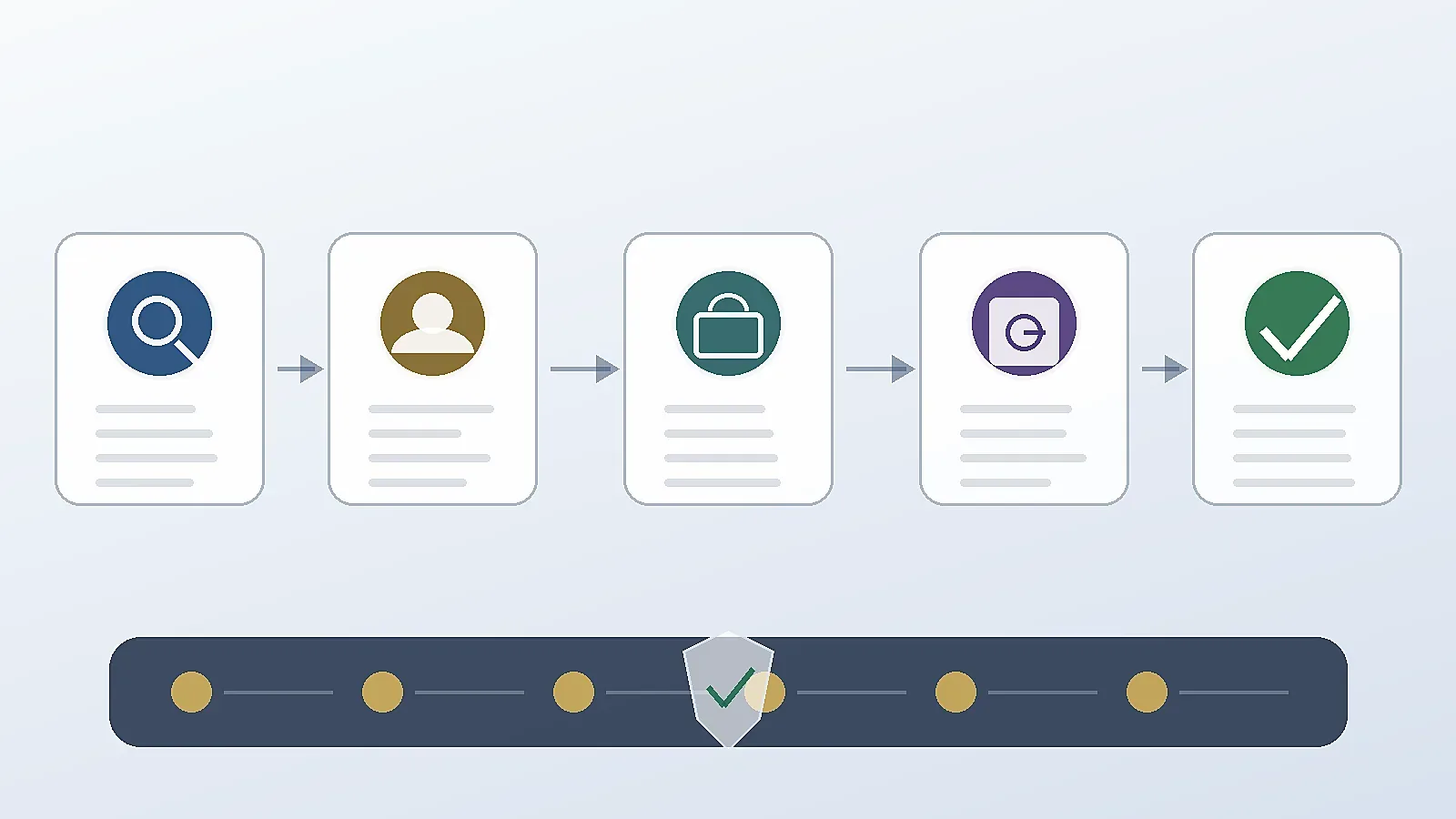
Do Your Research Before You Make an Offer
Take time to prepare before the broker makes the first call.
Know your target. Know your deadline. Define a budget before talking to the seller.
Record your ideal extension. Similar extensions that would also work. An estimated budget you’re willing to spend. Expected use. Timing of the product launch or campaign. Whether you can go house without the name.
Use tools like NameBio to study the sales history of comparable domains. Public sales data isn’t going to disclose every sale but can help you evaluate similar lengths, keywords, extensions, and sales venues.
Review the Whois history via RDAP lookup. Starting January 28, 2025, ICANN is declaring RDAP as the standard whois service for gTLDs. Should be interesting to see if any personal contact information is redacted when looking up domains that have changed hands multiple times.
Brainstorm why someone would buy it today. Is the domain actively used? Developed? Parked? For sale already? Does the owner have a history of selling? Or just holding domains for years? Review any archived snapshots of the domain and determine whether the seller is likely a competitor, business, investor, or privacy registrant.
Ready? Know what you’re willing to pay before you start asking someone else to pay for their domain.
Don’t Pay More Than Your Intelligence Justifies
Value a domain from utility, not cost to register.
Customers should see the benefit of a short domain. Easier brand. Lower customer confusion. Cleaner email addresses. Better verbal recall. International domain protections. Prevents competitors from locking down your preferred brand.
That said, every company should set a budget.
I like to establish 3 ranges when it comes to valuation:
|
Range |
Description |
|
Investors Range |
How much would another domain investor pay? |
|
Retail Range |
How much could an operating business justify spending? |
|
Strategic Range |
How much is this domain worth to solve a unique problem? |
Remember that Strategic Range
An important domain name isn’t always worth spending years of operations just to own. Think long and hard before you justify an unreasonable offer just because you “like the name”. Make sure the pros outweigh the cons.
Marketing will probably love it. founders probably loves it more. Just because your emotionally invested doesn’t always mean you should raise your number.
Make sure you compare your target to realistic alternatives. Your broker should help you decide if you should buy, make another offer, or walk away.
Atom mentions that their brokers analyze sales data, investigator how reachable the seller may be, evaluate prior sales in that category, and study the quality of the name before making initial contact. I like this because brokers shouldn’t waste their time opening negotiations based solely on emotion.
Do a Trademark Clearance Before Negotiating
Would you pay for a domain that you can’t safely use?
Consider running a preliminary trademark search on important domains. Check the WIPO Global Brand Database and USPTO Search. WIPO reminds users that their database doesn’t cover every country. When in doubt, check the national/regional IP offices or hire a trademark attorney if necessary.
Treat this process as a first check. It doesn’t mean that you can safely use the domain for your product or industry worldwide. Get legal clearance if the domain is likely to be important to your business.
Don’t Skip NDA’s if They’re Important to the Deal
You might need a confidentiality agreement.
Restricting who knows about the transaction could be important. If the domain is going towards a rebrand, merger, financing round, or product launch you may not want the world to know.
Keep these agreements concise.
Define: What is confidential What is shared With whom Payments to advisors/extending discovery What triggers public disclosure How mandatory disclosures are handled How long does this last Which laws govern this agreement What happens if someone breaks the agreement
Get a lawyer to review if this agreement is material to your transaction. This is extremely important if the buying company is publicly held, if the domain is expensive, or the acquisition ties directly to a material corporate event.
Absolute secrecy is impossible.
Companies usually have internal approval processes, legal disclosures, audit trails, and regulators to answer to. It doesn’t mean you can’t sign an NDA or need one for every negotiation. But don’t scratch one together and blindly presume that it covers your situation.
Escrow and Filter Your Payment
Agreed on a price? Great. Use escrow.
Escrow.com lists out their five step process.
Buyer and seller agree to terms. Buyer pays Escrow.com. Escrow.com secures the payment. Seller transfers the domain to Escrow.com. Escrow.com releases the funds.
Seller shouldn’t transfer based on a promise. Buyer shouldn’t pay without first verifying certain aspects of the transaction.
When acquiring a domain that matters to your business. Verify with the seller who the registrar is. Confirm that the domain is transferred. Double check that the domain is locked. Confirm who has account access. Use strong passwords and account recovery methods. Ensure domain and account are locked.
Final Thought on Keeping Your Purchases Confidential
Encryption isn’t always the point. Negotiations are about leverage.
Provide enough information so the seller knows the offer is serious. Allow the broker to know who they are representing. The escrow service needs to know your bank. Your company doesn’t need to disclose strategic business plans to the world before safely acquiring a domain.
Once those needs are balanced, the seller doesn’t have more reason to ask for a higher price. nor does your company blindly pay more just because you know who wants the domain name.