
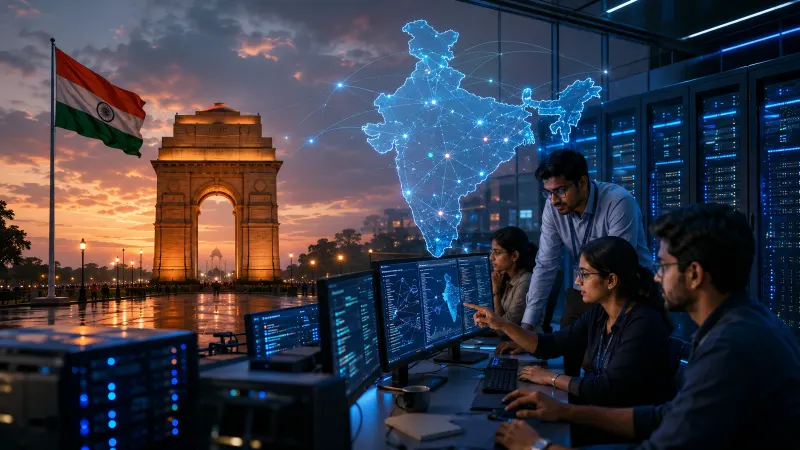
India’ request to install an ICANN internet root server should sounds like one of those networking infrastructure stories we often forget after reading the headline. Except that India isn’t asking for just any server, and this isn’t merely about adding server capacity. India has well over a billion internet users already, so its next chapter on internet management is about trust, scale, and technical sovereignty.
When one country’ internet subscriber base crosses the 100 crore mark, some questions evolve past basic access. It’s no longer just about how many more people can come online. It becomes about whether underlying systems are strong enough to carry everyone online and power daily needs including domain infrastructure.
It’s time to read past the headlines. Here’ why India wants an ICANN root server, and why domainers should care.
Root Servers Are About DNS Resilience For India
The government wants ICANN to permit the establishment of internet root server infrastructure in India.
That sentence should be read in context. India isn’t asking for a separate internet. Nor is it making a push for a fractured root system.
The practical translation is that India wants more local control within the global DNS system. Specifically, India wants hosting and management capacity for ICANN root servers that can help decrease dependency on routing paths far away from India and South Asia.
If that still sounds confusing, let’ simplify. When a user opens a website, DNS resolution helps find that website’ address. Each layer of the lookup process helps point traffic toward the destination. DNS root servers operate at the highest layer of that lookup path.
The layperson doesn’ see root servers, but almost every developed internet economy relies on them. Many users don’ know what DNS is either, but DNS keeps the internet running.
For India’ population scale and DNS traffic, it’ time to think about adding root server infrastructure locally. A domestic server cluster also reduces dependency on other countries for basic DNS resolution.
Why Is This Happening Now?
Here’ why this is happening now: scale, speed, and traffic loads.
India has been one of the world’ largest digital markets for some time. Internet access is now directly linked to payment systems, startup growth, digital media, government services, cloud work, online learning, banking, commerce… At the end of December 2025, TRAI reported India had 1,028.61 million total internet subscribers. Domestic digital infrastructure isn’ just convenient. It’ critical.
As India continues to come online, tech policy discussions have shifted from “access for all” to conversations about robustness and capacity. Three years ago, a slower DNS path might have only affected web speed. For countries hosting massive digital populations including financial systems and healthcare services, slow websites feel like economic problems.
That sovereignty language keeps coming up because internet infrastructure sovereignty doesn’ mean going solo or cutting internet access off from the rest of the world. Instead, it’ enough local capacity and hosting to absorb stress if international infrastructure faces disruption.
Briefly, what Is A Root Server?
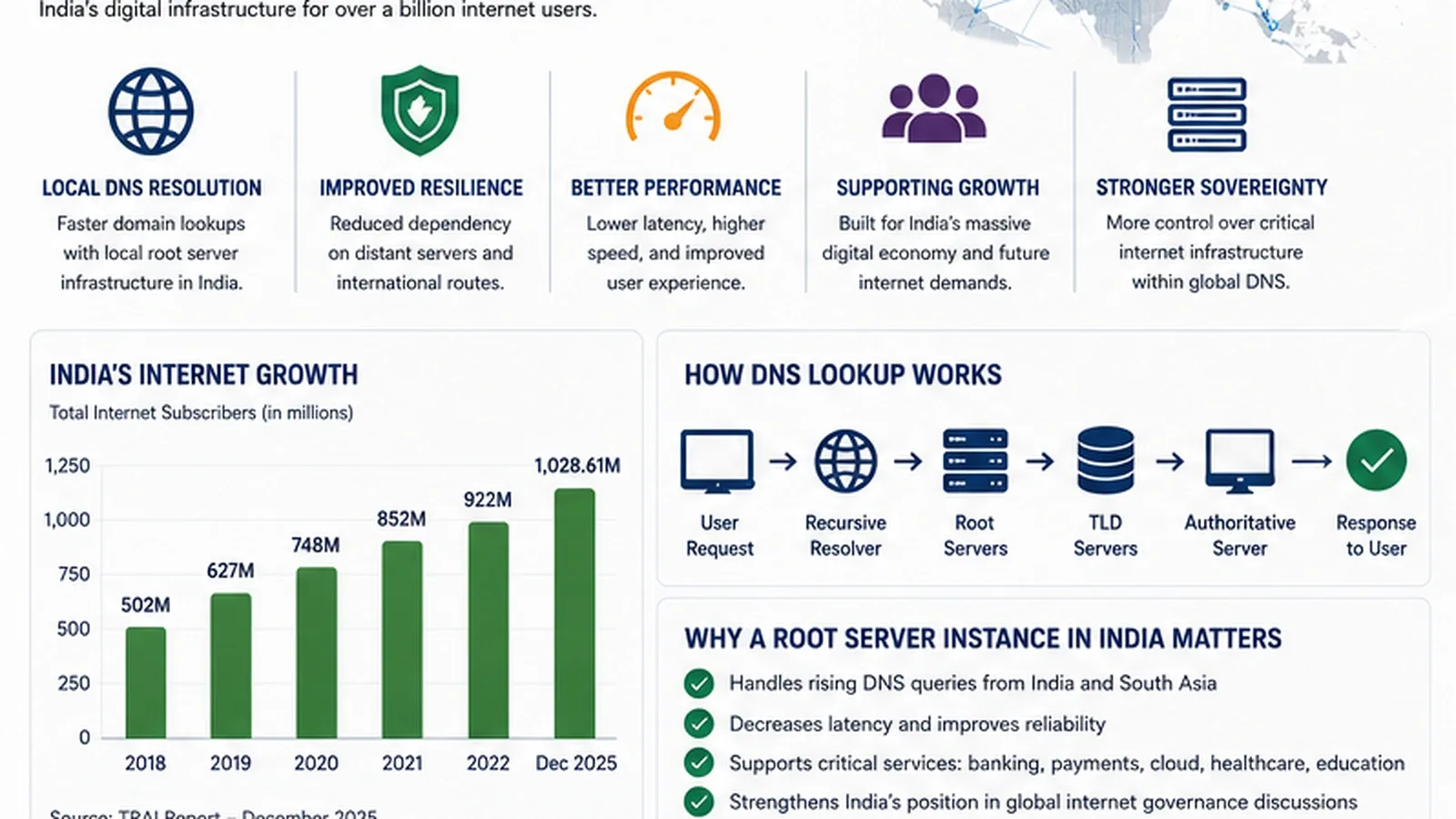 Image for illustration only.
The internet root server system is described as “thirteen root servers” quite a bit. But that phrase doesn’ tell the whole story. When someone types “google.com” into their browser, DNS resolution happens behind the scenes to match that domain name to the correct IP address. Root servers are one piece of DNS resolution that point internet traffic toward top-level domain servers like .com, .org, or .in.
Ask any Indian network operator and you’ll hear stories about internet speeds that could improve with more local DNS infrastructure. The goal isn’ suddenly to make India’ internet fully independent of global resources. Websites, cloud services, and media will always originate from multiple countries regardless of where users subscribe. The goal is to avoid unnecessary stress and dependency at the root of DNS resolution itself.
DiGeNe Networks analyzed how local/root.facebook.com paths improved after Facebook began routing some DNS traffic locally within India. Similar improvements can be applied to other root traffic.
Does This Mean India Wants A Separate DNS Root?
India appears to be taking steps toward managing its own root server infrastructure, whether within ICANN guidelines or independently. India’ internet conversation is expanding to include DNS resilience, exchange point density, local cloud regions, submarine cable maps, and ownership of key internet tools.
India asked last year whether MeitY can become part of ICANN’ Root Server System Advisory Committee (RSSAC), and that request can be viewed as part of this longer conversation around infrastructure and resilience. Since February 2024 the story continues to pop up in various outlets reporting on Parliamentary Standing Committee discussions related to internet infrastructure in India.
India Will Keep Part Of The ICANN Root Server System In India
ICANN currently manages two root servers that any network can host as long as they meet ICANN technical requirements. This planned redundancy helps keep the global root resilient even if one location experiences connectivity issues.
IAgainst some headlines, India is asking not to become isolated but to keep more root server infrastructure inside the country. Network operators in India and other countries should monitor these developments because they’ directly impact DNS routing paths and local infrastructure planning.
Benefits Of Local Root Server Infrastructure In India
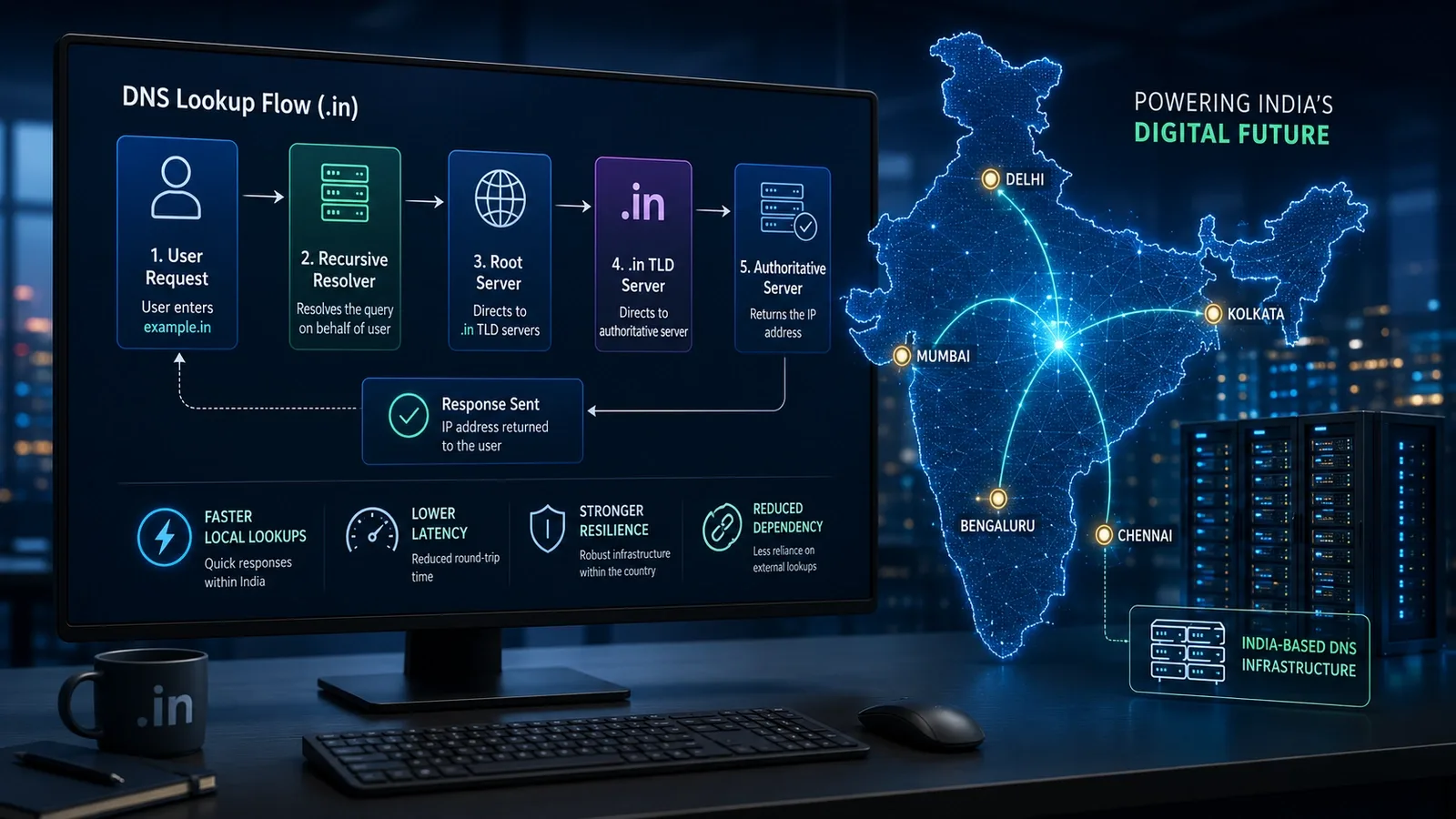 Image for illustration only.
1. DNS Resolution Speed
Shorter path, less latency. Local root servers improve DNS lookup speed when users open websites. That statement applies to root servers in any country, not just India. When done right, DNS performance has a multiplier effect that positively impacts other aspects of internet health.
2. Resilience During Outages
Every country benefits from keeping more root server infrastructure local because it adds redundancy during international outages. Domestic network operators should still plan for scenarios where global dependency is inevitable because websites, cloud services, and CDNs are never fully local to one country. But rooting locally can reduce one area of dependency.
Look no further than recent news about submarine cable cuts. It’ a sudden event, but global outages happens. DNS resilience is about reducing single points of failure within India’ control.
3. Reduced International Traffic
Every byte that doesn’ have to leave India and return counts toward longer-term efficiency. India will still pay for international internet transit, but operators can reduce avoidable traffic. Domestic routing isn’ just about performance. Routing policies affect resilience and control. When a country can route more traffic locally without going overseas first, it improves network efficiency.
How Does This Fit Into Global Internet Policy?
Internet sovereignty is suddenly a conversation in multiple countries, not just India. Does your country have infrastructure plans to match subscriber growth? Are you evaluating DNS root server capacity? Internet exchange point density? Local cloud services?
The domain industry should welcome discussions around local root server infrastructure. Root servers don’ impact one specific TLD or industry vertical. Robust DNS serves every sector that goes online in India. Depending on how this conversation evolves, every domain owner with a stake in India should advocate for internet resilience because it benefits .COM owners too.
Will Local Infrastructure Help .IN Domains?
The biggest keyword in the popular coverage about India’ ICANN root server discussion is trust. Domains are an address system, so everything above applies to domain growth but with trust as the main goal. If local businesses, entrepreneurs, and startups feel confident that Internet systems will remain robust during global instability, they’ more likely to use Indian domains long-term.
Don’ expect a root server announcement to directly increase .IN growth overnight. Local awareness, business registrations, online payment systems, cloud migration, and brand familiarity all drive .IN adoption more directly than root servers. But domain growth doesn’ happen in a vacuum. part of what convinces businesses to register .COM, .NET, or .IN names is trust in the underlying ecosystem.
If you build out robust infrastructure, someone will build a business on top of it. Domainers should cheer when countries plan to upgrade DNS capacity for their citizens. It eventually trickles down to every sector that registers domains.
Network operators have the most to gain from following this conversation, especially ISPs and large enterprise networks in India. DNS resilience isn’ just about adding ICANN root servers or even local servers. Network operators must prepare to leverage new routing paths responsibly by:
Auditing existing DNS paths to understand where recursive resolvers reach out for root DNS lookup. INTERNET SERVICE PROVIDERS within India, especially larger networks. This isn’ necessarily about peering with root server infrastructure. Cache is a huge DNS optimization, but rooting path visibility can still factor into network resilience exercises.
Reviewing existing peerings at IXPs and regional hubs.. Root server instances are useful only if network operators can reach them through clean, domestic paths. Routing policy should encourage reaching Indian root infrastructure directly instead of going overseas first.
Preparing right now to qualify as a network that can operate a root server instance, whether hosted privately or through ICANNmanaged infrastructure that enters India. Networks should practice good IPv6 hygiene, sound BGP routing practices, strict filtering controls, and diligent security monitoring. Part of ICANN root serverIndia discussions include proofing the network environment around root servers..
3 Things To Avoid About The India Root Server Discussion
1. Politics. When one country asks for an independent root server system that doesn’ follow ICANN guidelines or the global DNS model, politicians try to weigh in. Don’ do that to DNS. Root servers are technical Internet infrastructure, not political tools. Domainers should recognize those discussions for what they are.
2. Expectations. Infrastructure takes time. Even when done correctly, domain growth doesn’ spike overnight because DNS servers come online. India plans to add Internet bandwidth and submarine cable capacity as well. Don’ expect root servers to instantly change everything about how India’ internet operates. But do expect infrastructure upgrades to support India in the long-term.
3. Shortcut thinking. Root servers impact DNS speed, but velocity challenges on the India.stack exchange confirm most speed issues aren’ related to DNS at all. Poorly optimized websites, slow last mile connections, overloaded hosting facilities, oversized media files, bad app design, and weak peering also slow down India’ internet. Root servers are only one piece of the puzzle.
While Indian leadership’requests sound promising for India’ internet future, domainers should avoid seeing root servers as a magic solution toIndia’ internet challenges. Root servers are worth watching because India needs more capacity to support 1028 crore+ internet subscribers.. That doesn’ mean every Indian will magically see faster speeds tomorrow. Instead, root servers reduce single points of dependency and failure during global outages. Build that into your risk mitigation planning if you serve Indian users.
Conclusion: Internet Resilience Is Good For Domains
India requesting ICANN permission to host local root server infrastructure isn’ solely an Indian story. Every country watching subscriber growth approach India’ scale should ask similar questions about infrastructure resilience.
Network operators in every country would be wise to evaluate current DNS root paths as part of longer-term resilience planning. Others should listen to India discuss potential next steps before rooting becomes a larger global conversation.
Domainers should view discussions around DNS resilience and local root server capacity in India as positive for the domain industry. History proves countries that ignore Internet scalability do not maintain strong domain markets over time. India appears to be planning for the future while much of the rest of the world’ still discussing how to get more people online.