Let me tell you about the moment every domain investor loves.
No, it’'s not when they buy their first domain name. That’s fun, but there’'s a different moment that stands out to everyone.
It’s when they sell their first domain.
Not when they think about it, or list it for sale. I’'m talking about when they close their first deal.
Trust me, take a second to think about it. When you sell your first domain, something quietly clicks.
Before that moment, domain names can feel like ideas in your account.
After that moment, they start to feel like assets. Domains with movement. Names with potential. And more importantly… purposes.
If you’'ve been sitting on domains for years and that moment hasn’’t happened for you yet, you’'re not alone. Millions of others are stuck in this same place… wondering what they’'re doing wrong. They buy names that “should” work. They believe in the names. They even list them for sale. Days pass. Weeks. Months. And suddenly you start to question everything.
“What am I doing wrong? Why hasn’’t anyone bought anything?”
Here’'s the thing about selling domain names. It’'s not rocket science, but it’'s not always instant either.
Selling domain names is a subtle blend of visibility, positioning, timing, and communication.
Once you figure that out, your first sale is right around the corner.
Before we jump in, let’’s address one thing right away.
YOUR DOMAIN DOES NOT AUTOMATICALLY DESERVE TO SELL.
It doesn’’t matter how cool you think it is, or how good you think the name is. Your domain doesn’’t just magically sell itself. For it to sell, someone has to see it, understand it, and feel like it’s the exact thing they’'ve been looking for.
That brings us to…
YOUR JOB IS NO LONGER JUST ABOUT FINDING NAMES.
Your job is to connect great domain names to the people who actually need them.
Sounds easy when you think about it that way, right? Here’'s the issue. How you approach selling is determined by how you look at the above statement.
When you want to sell a domain, you basically have two options.
You can wait for buyers to come to you.
You can go out and find buyers yourself.
The first option is called inbound. Inbound sales feel passive. Relaxed. Letting things happen naturally.
The second option is called outbound. Outbound sales feel active. Searchful. You have to put in the work.
But here’'s the best part. Most successful investors use a healthy combination of both.
Quick Selling Path Comparison
|
Path |
How it works |
Best use case |
|
Inbound |
List on marketplaces and let buyers discover the name. |
Clear, searchable domains with obvious demand. |
|
Outbound |
Find potential buyers and contact them directly. |
Strong niche names with identifiable businesses. |
|
Combination |
Use listings for visibility and outreach for higher fit buyers. |
Better names where timing and buyer match matter. |
Inbound Sales
Inbound sales are the most common method for new investors to start with. All you have to do is list your domain on aftermarket marketplaces, set a price (or accept offers), and wait for buyers to find you.
Simple as that.
This method works best when your domain already has some sort of established demand. When the name is self-explanatory, and buyers are already searching for something similar.
Marketplaces like Afternic, Sedo, Dan, etc. allow you to list your domains just like you would products in a store. They create visibility, allow buyers to transact securely, and give your domain sale trust points since the buyer doesn’’t have to do business directly with you.
Let’'s say you list a domain like SmartBilling.com. Somewhere out there, a founder is looking for a name for their BILLING SOFTWARE. They search. They find your exact match. They see your price. Maybe sleep on it. And if everything lines up, they buy the domain from you.
You didn’’t reach out to them. They found YOU.
Now think about how incredibly powerful inbound sales are.
Outbound Sales
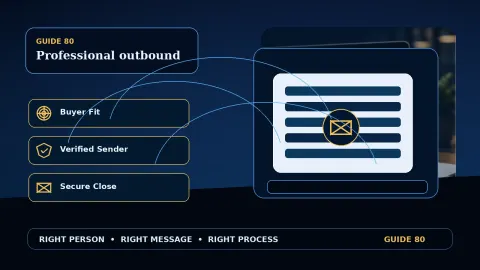
Outbound sales takes the opposite approach. Instead of waiting for buyers to find you, you try to find buyers yourself.
Sounds simple right? Here’'s the tricky part. How do you find these buyers? Well first, you have to ask yourself who would buy your domain?
Maybe it’'s startups who haven’’t found the perfect name yet. Maybe it’'s existing companies who are stuck on a longer domain or a less desirable extension. Maybe it’'s someone who hasn’’t considered branding until now.
Let’'s say you own HealthSync.com. You decide to search for health-tech startups on Google. Chances are there are a handful of companies using longer names that don’’t “quite fit”. You reach out to these companies with a quick message. Not a sales pitch. A simple, “Hi there. I came across your product and thought this domain might be a good fit.”
Believe it or not, how you word that message matters more than you think.
Most people fail at outbound by being too aggressive. Their messages are too long. They try to explain every reason why the domain is perfect for the business. It’'s instant spam.
Try to keep things short. Simple. And most
importantly…human.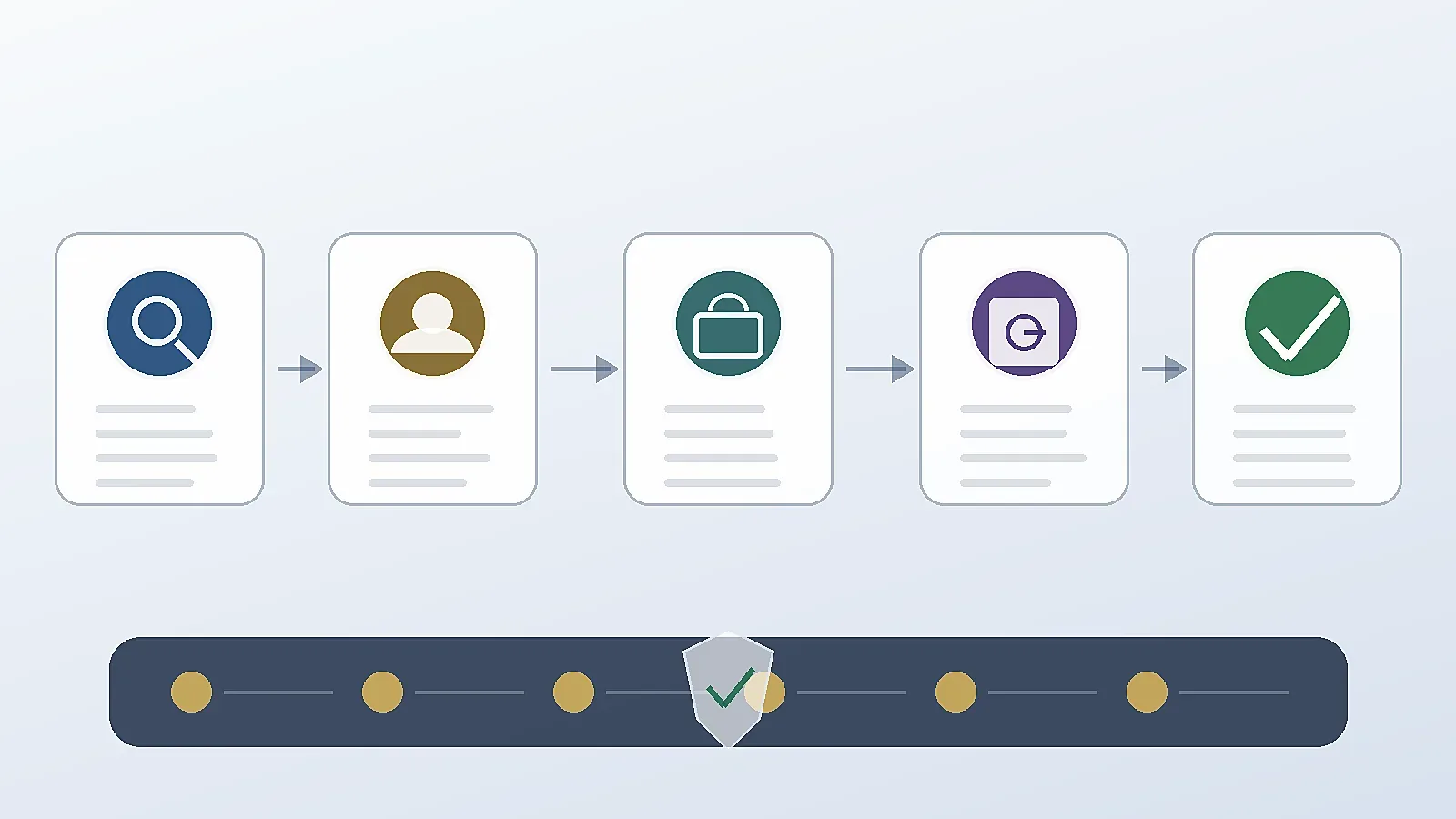
Pricing
Here’'s the crazy part about pricing.
It doesn’’t need to be complicated.
But at the same time it’'s one of the hardest things for beginners to grasp because there’'s no definitive answer.
When starting out, most people price way too high without any real justification or way too low just because they want something to happen.
Neither of these help you.
When thinking about pricing your domains, think in ranges.
Look at other similar domain sales and identify why your name is better or worse. Ask yourself who would buy it, and where they would see value.
Instead of jumping for that perfect price right away, define a reasonable range that’'s competitive with the current market.
Strategy
When listing your domains, you’'ll have two pricing options.
“Make Offer” or “Price.”
“Make offer” allows the buyer to name their own price. Price gives the buyer a specific number to either accept or walk away.
Pricing Option Snapshot
|
Option |
Strength |
Watch-out |
|
Make Offer |
Keeps negotiation open and helps discover buyer budget. |
Can attract low opening offers. |
|
Fixed Price |
Makes buying faster for clear-purpose domains. |
Wrong price can scare buyers away or leave money on table. |
There isn’’t a right or wrong way to do this and most successful investors do both. Namewise tends to lean more towards Make Offer because our buyers expect it. But with that being said, we list thousands of domains with a fixed price too.
If your domain is super generic and its purpose is clear, why not give buyers an exact price?
If your domain is more niche or there could be multiple buyers, make offer allows for that negotiation room.
Negotiation
This is where the magic happens.
Domain name negotiation is not about being right, or stubbornly pushing your price.
It’'s about staying calm, patient, and understanding the situation.
Buyers will make low offers all of the time for several reasons. Sometimes they really do only have that much in their budget. Most times they’'re just “testing the waters” to see if you counter.
Instead of getting frustrated, reply with a kind response.
A quick negotiation template would look something like this:
• Politely acknowledge their offer.
• Provide your reasoning for your price. Keep this short.
• Allow room for counter negotiations.
Instead of saying something rude like “That’'s too low.”
Say this “Thank you for your offer. We’'ve done our research on similar domains and current market demand and we’'re looking in the XYZ range. Let me know if you’'d like to discuss this further.”
Notice the difference in tone? By doing this, you keep the conversation open. And remember, sales happen during conversation.
This is a common scenario I see play out in real life.
An investor gets an offer that is far too low, and is about to reject it right away. Instead, they reply kindly and stick to their guns. The buyer ghosts for a few days then reaches back with a higher offer. They negotiate a little more. And before you know it, they close the deal for much higher than the initial offer.
This doesn’’t happen instantly like I just described. But this is how negotiation tends to work.
Timing
Believe it or not, timing truly is everything when selling domains.
You can have the best boutique name ever but if no one needs that domain at that moment, you may struggle to sell it.
Domain sales can happen in a matter of hours. Other names may take years before they sell.
It’'s because a domain name might just be waiting for the right opportunity to come along.
Maybe a startup decides to launch. Maybe a company is looking to rebrand. New trends start happening and suddenly your domain name isn’’t sitting idle anymore.
This is why patience is powerful.
Not every domain you own needs to be sold right now. Work on your other ones, and let this one do the waiting for you.
Presentation
I know what you’'re thinking. Domains are domains. How you list them shouldn’’t matter.
While this is mostly true, presentation can also play a small role.
First and most important, make sure you list your domains on reputable marketplaces. Know your numbers. And make sure your landing page looks clean and concise.
Buyers will land on this page when they search for your domain. If it looks messy, they’'ll leave before you even know they visited. If it looks professional and to the point, they’'ll think twice before leaving.
Simple Tips to Get Started
List your domains for sale on marketplaces.
Price them accurately with flexible make offer options.
Have clean, simple landing pages.
Find potential buyers for your better names.
Reach out to them via email in a non-spammy way.
Respond to inquiries pleasantly, and don’’t be afraid to negotiate.
Repeat.
There’'s also certain things that hinder your success before you even get started. Not listing your domains anywhere. Pricing them too high. Poor communication. Being spammy with your outbound emails. Impatience.
Steer clear of these dumb mistakes and you’'ll be set.
Trust me when I say that the beginning stages of selling domain names can feel overwhelming. You don’’t know when someone will find your domain. You have no idea how much they’'ll offer. And you have no clue how the conversation will play out.
But here’'s the secret. It gets easier.
You get used to the process. You start to understand how buyers will think and act. Once you slow down and allow yourself to learn through conversation, negotiating prices becomes less stressful.
Truth is. Selling domains is very simple if you strip it down to the basics.
Domains are meant to be sold to the right person at the right time.
You don’’t need to sell every domain you own. You don’’t need to list 10 domains a day.
You just need one.
The right one.
If you stick with it, stay consistent, and focus on attracting buyers instead of chasing them… you will.
Stay Dangerous.